5 August 2026
ITS Australia & iMOVE Australia: Celebrating 10 years of innovation
At the ITS Australia Global Summit 2026 we plan to celebrate a decade of collaboration between industry and academia through the iMOVE CRC, with ITS Australia as proud members and contributors, it's an opportune moment to reflect on the real-world impact and lasting legacy this collaboration leaves for the nation's transport network.
Over the past ten years, the iMOVE Cooperative Research Centre (iMOVE CRC), supported by the CRC Program, Commonwealth Government initiative has supported more than 200 collaborative research and development projects involving industry, government and academia, creating a platform for ideas to move beyond research papers and into practical applications. ITS Australia has been both a contributor and project leader across a range of initiatives spanning connected vehicles, freight, mobility services, sustainability, accessibility and transport data.
While the projects covered a diverse range of transport challenges, they shared a common objective: helping Australia better prepare for the future of mobility and leverage technology for safer, sustainable and accessible transport

Building the foundations for connected transport
Among the most significant areas of collaboration has been the advancement of Cooperative Intelligent Transport Systems (C-ITS), which enable vehicles, infrastructure and road operators to exchange information in real time.
Projects including Putting the Connectivity in C-ITS - Integrated Connected Data for Safer More Efficient Traffic Management Operations and C-ITS National Harmonisation and Pre-deployment Research have , and will continue to, helped establish a national understanding of how connected vehicle technologies could be deployed consistently across jurisdictions.
The work explored not only the technology itself, but the policy, regulatory and operational frameworks required to support deployment. It also contributed to national conversations around connected vehicle standards, interoperability and future transport planning. The harmonisation work remains a significant initiative within Australia's connected vehicle ecosystem and continues to inform industry and government discussions about future implementation.
The ultimate goal is straightforward: creating safer roads, reducing congestion and providing road operators with better real-time information to manage incidents and optimise network performance.
Extending connected technologies to public transport
ITS Australia is supporting the Cooperative Intelligent Transport Systems (C-ITS) Use Case Exploration for Public Transport project, bringing together transport operators, technology providers and government agencies to investigate how connected technologies could enhance public transport operations.
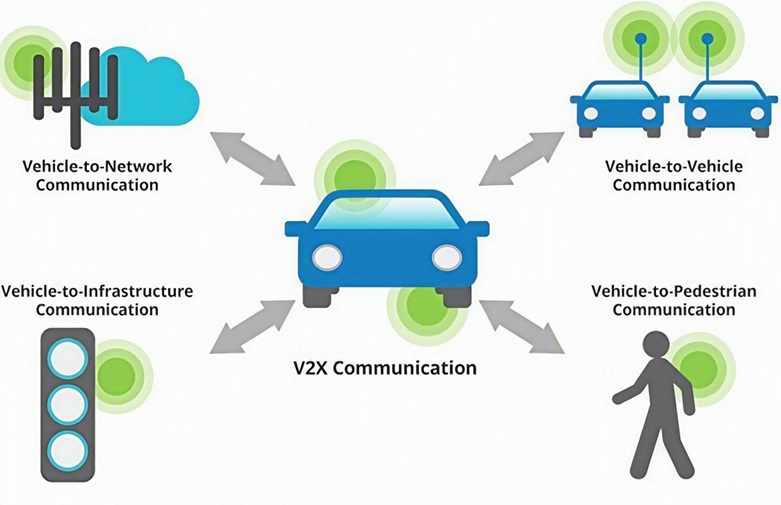
The project examines opportunities to improve safety, service reliability, passenger information and network efficiency, reinforcing the role connected transport technologies can play across all modes of transport, not just private vehicles.
Preparing freight for the next decade
Few sectors face disruption and opportunity at the scale currently confronting Australia's freight industry.
Recognising this, ITS Australia and iMOVE partnered on the Future Freight through Transport Technology project, exploring how technologies such as automation, connectivity, data analytics and artificial intelligence could influence freight networks over the next five to ten years. The project involved extensive consultation with industry and government stakeholders to identify emerging opportunities and challenges across the supply chain.
The focus is not simply on technology adoption, but on understanding how innovation can improve productivity, sustainability and resilience throughout Australia's freight network.
Industry trials and related initiatives supported through the broader iMOVE ecosystem have already demonstrated measurable benefits in freight operations, including reduced travel times, lower vehicle idle times and reduced emissions.
Exploring new models of mobility
Long before Mobility as a Service (MaaS) entered mainstream transport discussions, ITS Australia was investigating how emerging mobility models could change the way Australians move through their cities.
Projects including MaaS and On-Demand Transport - Consumer Research and Report, Unlocking Shared Mobility - Investigating Free-Flow Parking for Car Sharing in Australia and Accelerating Innovative Local Transport - Community Transport of the Future examined both consumer attitudes and policy considerations surrounding shared mobility services, particularly for the most vulnerable Australians.
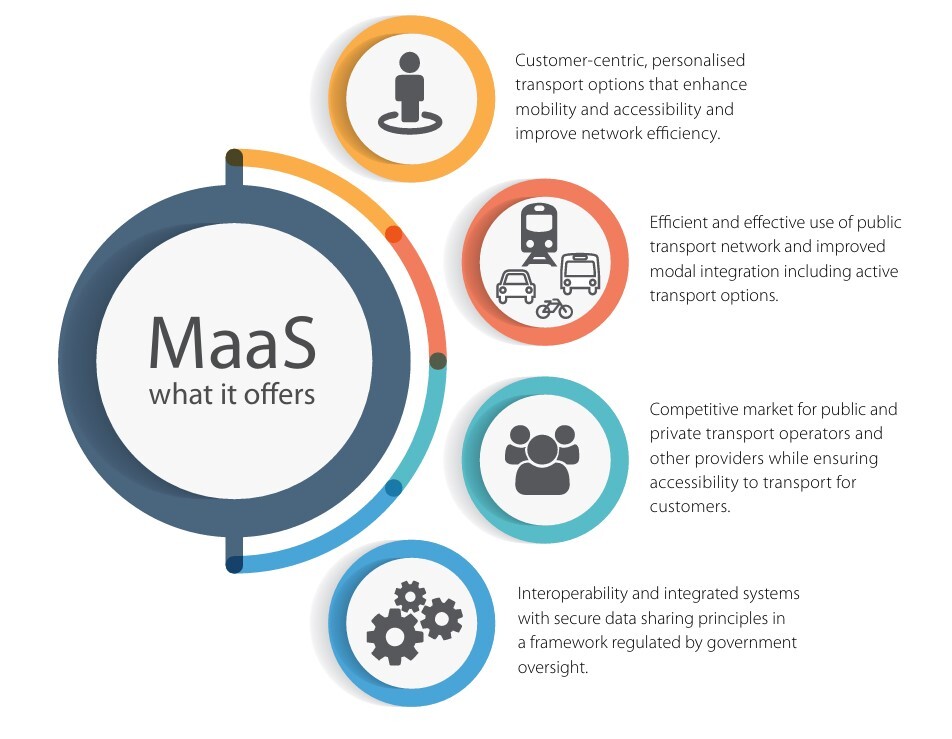
Research undertaken through these projects included engagement with thousands of Australians to better understand travel behaviours, transport affordability and willingness to adopt new mobility options. Findings highlighted the importance of customer awareness, accessibility and cost transparency in supporting future mobility services.
The work helped establish a foundation for ongoing discussions about integrated mobility, transport accessibility and customer-centred transport planning.
Encouraging more sustainable transport choices
Not all transport innovation is about technology. Some of the most effective solutions focus on understanding people.
The Behavioural Change for Sustainable Transport project recognised that achieving transport sustainability requires more than new tools and platforms. Success depends on understanding how individuals make travel decisions and identifying the factors that encourage shifts towards more sustainable modes of transport.
This focus on user behaviour continues to influence how governments and industry approach decarbonisation strategies, active transport initiatives and mobility planning.
Ensuring the energy transition is inclusive
As Australia accelerates the rollout of low and zero-emission vehicles, accessibility has emerged as a critical design consideration.
The Accessibility Guidelines for Low and Zero Emission Vehicle Charging Infrastructure project sought to ensure charging networks are designed to accommodate people with diverse mobility needs. By embedding accessibility considerations into infrastructure planning from the outset, the project aimed to support a transport transition that is both sustainable and inclusive resulting in guidance published by Austroads.
A legacy beyond research
The value of a partnership with iMOVE has always been about turning research into practical outcomes.
Whether helping establish the foundations for connected vehicle deployment, informing future freight strategies, advancing mobility innovation or improving accessibility, these projects have contributed to policy development, technology adoption and industry capability across Australia.
As iMOVE approaches the conclusion of its program in 2027, its legacy can already be seen in the transport sector's growing embrace of connected technologies, data-driven decision making, sustainable mobility and collaborative innovation.
The projects may be complete, but the ideas, partnerships and outcomes they have generated will continue to influence Australia's transport future for many years to come and ITS Australia will continue the legacy and look to build on the success of the last 10 years of collaboration.